Patient Guides / How to See a Doctor
Chinese Hospital Tiers and Types: A Clear Guide for Expats
Summary: Navigating a foreign healthcare system can be overwhelming, especially when trying to decipher complex medical classifications. For expats seeking the best hospitals in China, understanding the difference between a "Tier 3 Grade A" facility and a local community center is the critical first step to getting the right care.
Author: China Medical Info Published or updated: March 2026 Read time: 8 min read
Editorial And Source Review
Editorial review: China Medical Info Editorial Team. Last content check: July 3, 2026. Educational scope, clarity, verification pathways, and safety disclaimers. Not clinical review, diagnosis, treatment guidance, legal advice, visa advice, or insurance advice.
Official Source Paths
Use these official sources to verify current rules, policies, services, or payment requirements before acting on this educational guide.
- National Health Commission - Official English-language public health, hospital, health policy, and service information.
- State Council health and policy resources - Official English-language public-service and policy resources for healthcare and living in China.
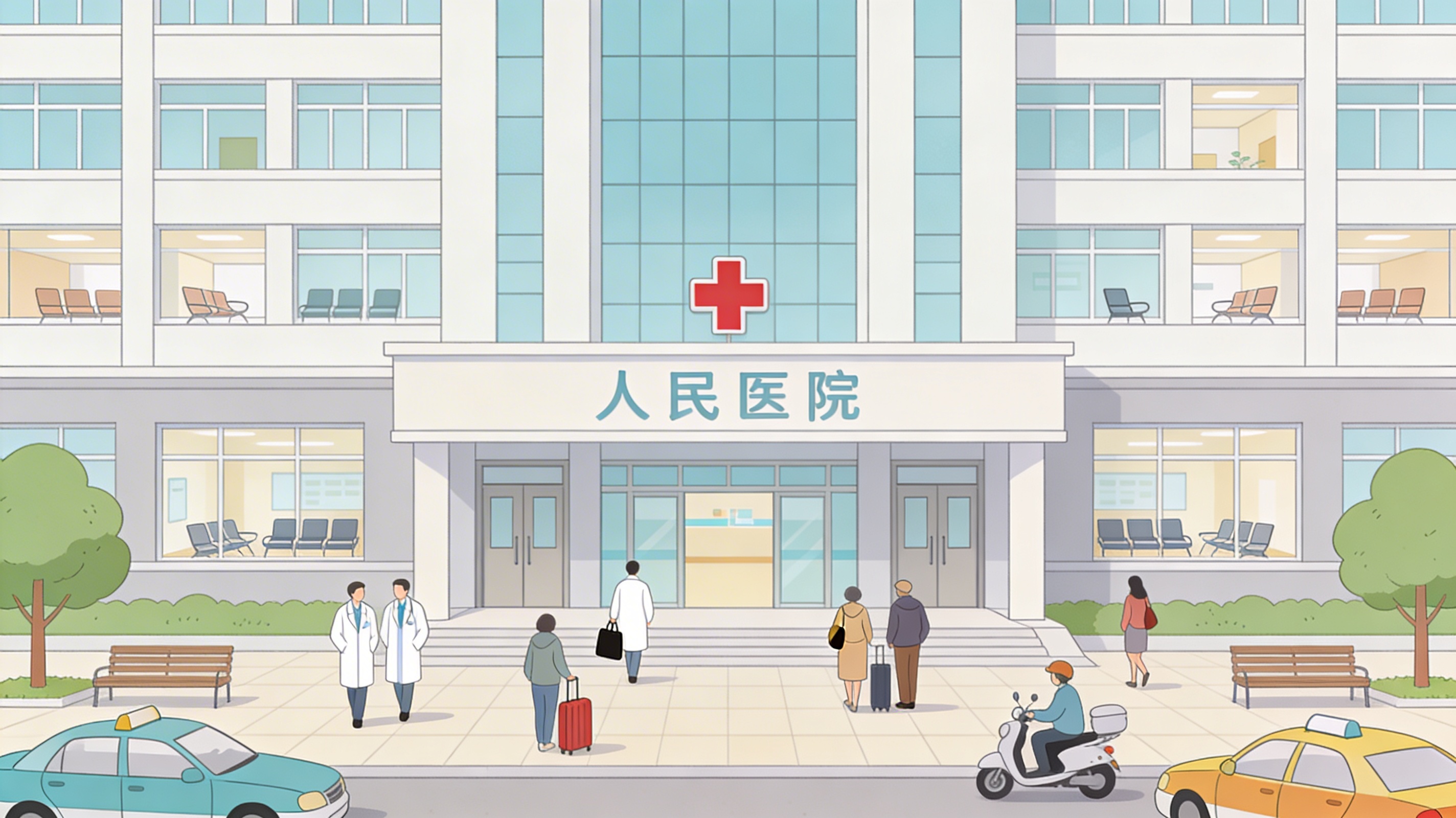
You might wonder — exactly how many hospitals are in China? With nearly 38,400 medical institutions nationwide, the vast majority (about 90% of major ones) are public. Unlike Chinese city tiers which rank cities based on economic development, hospital tiers strictly classify medical capabilities. Knowing this system ensures you won't waste time at a clinic that lacks the equipment or expertise for your specific condition.
The 3-Tier and 3-Grade System Explained
Public hospitals in China are officially divided into a structured Three-Tier system based on size, medical resources, and capabilities. Within each tier, hospitals are further sub-divided into Grades A, B, and C: - Tier 3 (Top Level) — Large, comprehensive regional or national medical hubs with the most advanced equipment, top-tier specialists, and handling of severe or complex diseases - Tier 2 (Mid Level) — Regional hospitals serving multiple residential communities, providing standard medical care, common surgeries, and inpatient services - Tier 1 (Basic Level) — Local community health centers focused on basic preventative care, routine check-ups, vaccinations, and managing chronic low-severity illnesses When expats look for top-quality care, they usually aim for a Tier 3, Grade A (三甲 Sān Jiǎ) hospital — the gold standard of public healthcare in China.
Categories of Hospitals at a Glance
Beyond tiers, hospitals are categorized by their medical focus. General hospitals make up about 60% of all institutions, while specialist hospitals account for 25% (excluding traditional Chinese medicine). If you have a specialized condition, heading straight to a specialist hospital might be more efficient than navigating the vast departments of a general hospital. To make choosing the right facility easier, keep these distinctions in mind: - General Hospital — Covers all major medical departments; best for comprehensive or multi-system conditions - Specialist Hospital — Focuses on a single field (e.g., oncology, cardiology, maternity); best if your diagnosis is clear - TCM Hospital — Dedicated to Traditional Chinese Medicine; often used alongside Western treatment - International / Private Hospital — English-speaking staff, faster appointments, direct insurance billing
Academic Hospitals & Tips for Expats
You will frequently see the words 'University Affiliated' (大学附属医院) in the names of top general hospitals. These academic or teaching hospitals partner with top medical schools, attracting the brightest medical talent and conducting cutting-edge research — making them highly sought after for complex cases. Practical tips for expats: - Match the Tier to the Illness — Don't go to a massive Tier 3 hospital for a simple cold; a Tier 2 or international clinic will save you hours of waiting - Look for VIP/International Departments — Located almost exclusively in Tier 3 General Hospitals, these departments offer English-speaking doctors, private waiting rooms, and direct billing for international insurance
Summary
Understanding the hierarchy of Chinese hospital tiers and the distinction between general and specialist facilities is essential for your well-being abroad. By using this guide, you can confidently target the right institution for your specific healthcare needs — ensuring a smoother and safer experience.
This article is for informational purposes only and does not constitute medical advice, diagnosis, treatment guidance, emergency triage, referral, or appointment booking. Verify current hospital procedures directly with hospitals and consult qualified healthcare professionals for medical decisions.