Patient Guides / How to See a Doctor
Public vs Private Hospitals in China: Key Differences, Tips, and What to Expect
Summary: China's healthcare system is one of the largest and most rapidly developing in the world. For expats, long-term residents, and visitors, understanding the difference between public and private hospitals is one of the most practically useful things you can learn — because the choice you make affects your costs, waiting time, the language of your consultation, and even the medicines available to you.
Author: Carevia Published or updated: 2026 Read time: 8 min read
Editorial And Source Review
Editorial review: China Medical Info Editorial Team. Last content check: July 3, 2026. Educational scope, clarity, verification pathways, and safety disclaimers. Not clinical review, diagnosis, treatment guidance, legal advice, visa advice, or insurance advice.
Official Source Paths
Use these official sources to verify current rules, policies, services, or payment requirements before acting on this educational guide.
- National Health Commission - Official English-language public health, hospital, health policy, and service information.
- State Council health and policy resources - Official English-language public-service and policy resources for healthcare and living in China.
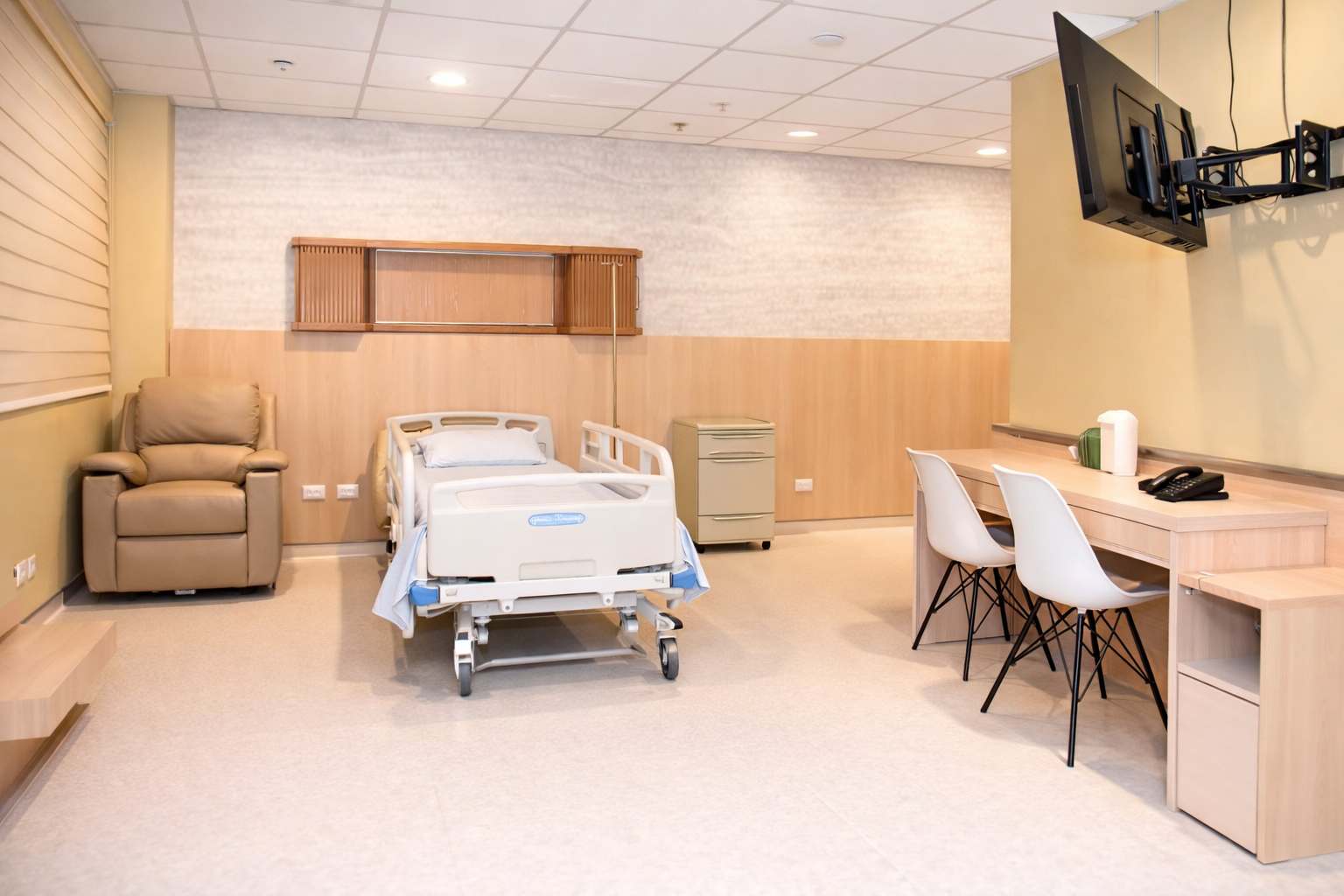
China operates one of the world's most extensive healthcare networks, with hundreds of thousands of medical facilities ranging from neighbourhood health centres to world-class academic medical institutions. Major cities — particularly Beijing, Shanghai, Guangzhou, Chengdu, and Hangzhou — are home to some of the country's most prestigious hospitals, many of which contribute to national and international medical research. The system can broadly be divided into two tracks: the public health system and the private health system.
The Public Health System in China
Structure: China's public health system is organised as a three-tier network — city-level hospitals at the top (e.g. Zhongshan, Huashan, Ruijin), district-level hospitals in the middle, and neighbourhood health centres for routine and preventive care. Access for foreigners: Expatriates and foreign visitors have full access to public hospitals. Most district- and city-level hospitals have VIP departments, and many also operate dedicated international departments with bilingual staff. Even in standard outpatient departments, doctors at major public hospitals often have sufficient English for a basic consultation. Outpatient hours: General outpatient services typically run 8am to 5pm, Monday to Friday, with some facilities extending to weekends. Walk-ins are accepted, but booking ahead is strongly recommended for senior specialists. Emergency services are available 24/7 with no appointment required. Insurance: The government-run NHSA scheme is accepted at all public hospitals. Most major public hospitals also accept commercial medical insurance, including policies held by foreign residents. Costs: Registration fees are government-set and very affordable: - City-level hospitals: ~25 yuan per ordinary outpatient visit - District-level hospitals: ~18 yuan - Neighbourhood health centres: ~10 yuan - VIP department consultations: several hundred yuan, depending on tier and specialist seniority Pharmaceuticals: Public hospitals follow government purchasing guidelines, meaning some high-cost branded or imported drugs may not be stocked. Domestically-produced generic equivalents are offered instead — equally effective for most conditions, but patients seeking specific imported medications may find more options in the private system.
The Private Health System in China
Overview: Private healthcare facilities are funded through domestic and international investment. Major cities host internationally affiliated hospitals and clinics catering to foreign residents and business travellers. Well-known names include Jiahui International Hospital, SinoUnited Health, Parkway Health, United Family Hospital, Am-Sino Healthcare, and Guangci Memorial Hospital. Operating hours: Private hospitals generally maintain similar core hours to public counterparts, with some offering extended weekend services. Several leading facilities provide round-the-clock urgent care — Jiahui International and United Family Hospital offer 24-hour urgent care at select locations. Emergency services: Unlike public hospitals, most private facilities do not operate standard emergency departments. They offer urgent care tailored to their patient base. For genuine emergencies, the 120 public ambulance system remains the fastest route. Insurance: Private hospitals accept commercial medical insurance, including international policies commonly held by expatriates. Most offer bilingual hotlines and WeChat accounts for appointments and health enquiries. Costs: Registration fees range from several hundred to over 1,000 yuan per visit, before consultation and treatment costs — significantly higher than public hospitals, but the trade-off in language support, shorter wait times, and a more familiar clinical environment is worth it for many expats. Pharmaceuticals: Private hospitals are not subject to the same government purchasing restrictions as public hospitals. They can stock any regulatory-approved medication based on their own clinical needs, meaning a broader range of original imported drugs and specialist treatments.
Side-by-Side: Public vs Private — Quick Reference
Use this quick reference to decide which system is right for your situation: Cost: - Public: government-set fees from ~10–25 yuan (outpatient); VIP wards higher - Private: several hundred to 1,000+ yuan per visit Wait times: - Public: can be long, especially for senior specialists at top-tier hospitals - Private: generally shorter waits and more flexible scheduling English language: - Public: available in VIP and international departments; many city-level doctors have basic English - Private: consistently bilingual staff and full English-language services Insurance: - Public: government NHSA scheme + most commercial policies - Private: commercial and international insurance plans Medicines: - Public: government-approved formulary (often generics) - Private: wider range including original and imported medications Emergency care: - Public: full 24/7 emergency services - Private: urgent care services only; no standard emergency department
Summary
There is no single right answer. For routine, urgent, or cost-conscious care, China's public hospitals offer outstanding value and a high standard of medicine. For expats who prioritise a fully English-language environment, shorter wait times, or access to specific imported medications, a private hospital or international clinic is the logical choice. Many long-term residents use both — and getting familiar with both systems means you are prepared for whatever the situation.
This article is for informational purposes only and does not constitute medical advice, diagnosis, treatment guidance, emergency triage, referral, or appointment booking. Verify current hospital procedures directly with hospitals and consult qualified healthcare professionals for medical decisions.