Patient Guides / How to See a Doctor
How the Healthcare System in China Works: A Clear Overview for Foreign Visitors
Summary: Thinking about healthcare in China but not sure how the system actually works? It's very different from Western systems — but once you understand the structure, it becomes much easier to navigate. In this guide, we'll break down how the healthcare system in China works, especially for foreign visitors and expats.
Author: China Medical Info Published or updated: 2026 Read time: 8 min read
Editorial And Source Review
Editorial review: China Medical Info Editorial Team. Last content check: July 3, 2026. Educational scope, clarity, verification pathways, and safety disclaimers. Not clinical review, diagnosis, treatment guidance, legal advice, visa advice, or insurance advice.
Official Source Paths
Use these official sources to verify current rules, policies, services, or payment requirements before acting on this educational guide.
- National Health Commission - Official English-language public health, hospital, health policy, and service information.
- State Council health and policy resources - Official English-language public-service and policy resources for healthcare and living in China.
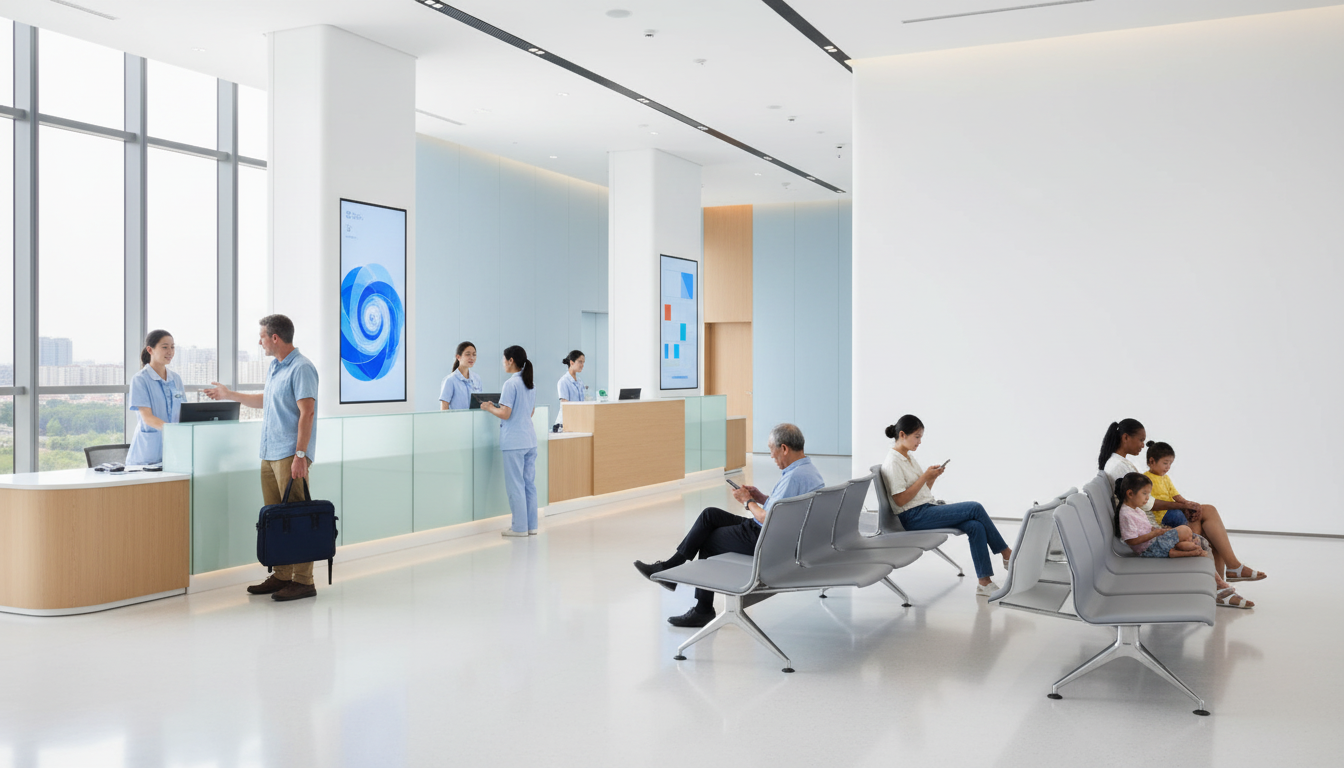
China has built one of the largest healthcare systems in the world, combining public insurance programs with a rapidly growing private sector. Most citizens can access government-supported health insurance, although coverage levels and costs vary by region and employment status. At the same time, China's healthcare sector is expanding quickly, driven by rising demand, an aging population, and increased investment in medical infrastructure.
The Structure of the China Healthcare System
The healthcare system in China operates through a multi-level structure, combining public and private services. Key components include: - Public healthcare system — Government-supported hospitals and insurance - Basic Medical Insurance (BMI) — Core national system covering most citizens - Private healthcare sector — Additional services and faster access - Commercial insurance — Supplementary coverage for higher-quality care Public vs Private Hospitals: Healthcare services are primarily delivered through public hospitals, which handle around 90% of patient visits: - Public hospitals — Lower cost, higher volume - Private hospitals — Higher cost, shorter wait times - International hospitals — Designed for foreigners, English-speaking staff For most locals, public hospitals are the default choice, while foreigners often prefer private or international facilities.
Health Insurance in China Explained
China has a near-universal healthcare coverage system, but it works differently from fully free systems like the UK NHS. Public Insurance Schemes — 3 main types: - Urban Employee Basic Medical Insurance (UEBMI) — for employed individuals - Urban Resident Insurance — for unemployed or self-employed - Rural Cooperative Medical Scheme — for rural populations Together, these systems cover over 95% of the population, making it one of the largest healthcare networks globally. For Foreign Visitors and Expats: - Public insurance usually does not apply - Private health insurance is strongly recommended - Most payments are made upfront, then reimbursed This is why understanding insurance is essential when planning healthcare in China.
What to Expect When Visiting a Hospital
The patient experience in China is structured but different from Western systems. Typical Process: - Register at the hospital - Pay consultation fee - Wait for your turn - See the doctor - Pay again for tests or medication Payment is often required before treatment, not after. Key Differences from Western Systems: - No universal family doctor system - Hospitals handle most outpatient care - Large hospitals can be crowded — VIP clinics offer faster service City Differences: - Shanghai / Beijing — best hospitals and international services - Chengdu / Tier-2 cities — improving rapidly - Rural areas — more limited access Is Healthcare Free in China? Not exactly. Even with public insurance, patients pay part of the cost (co-pay), and medication and specialist care may cost extra. However, services are heavily subsidized compared to many Western countries. Common Mistakes to Avoid: - Assuming healthcare is free - Not having insurance as a foreigner - Going to overcrowded public hospitals without preparation - Not understanding payment procedures
Summary
The healthcare system in China is large, complex, and constantly evolving. While it may feel unfamiliar at first, it is highly accessible — especially in major cities — and offers a wide range of options for both locals and international patients. With the right preparation, navigating healthcare in China can be straightforward and efficient.
This article is for informational purposes only and does not constitute medical advice, diagnosis, treatment guidance, emergency triage, referral, or appointment booking. Verify current hospital procedures directly with hospitals and consult qualified healthcare professionals for medical decisions.