Patient Guides / How to See a Doctor
Emergency in China: How to Call an Ambulance and What Happens Next
Summary: A medical emergency in a foreign country is stressful enough without having to guess which number to dial. In China, the national emergency medical hotline is 120, and understanding how this system works before you need it can save crucial minutes during a crisis.
Author: China Medical Info Published or updated: April 2026 Read time: 6 min read
Editorial And Source Review
Editorial review: China Medical Info Editorial Team. Last content check: July 3, 2026. Educational scope, clarity, verification pathways, and safety disclaimers. Not clinical review, diagnosis, treatment guidance, legal advice, visa advice, or insurance advice.
Official Source Paths
Use these official sources to verify current rules, policies, services, or payment requirements before acting on this educational guide.
- National Health Commission - Official English-language public health, hospital, health policy, and service information.
- State Council health and policy resources - Official English-language public-service and policy resources for healthcare and living in China.
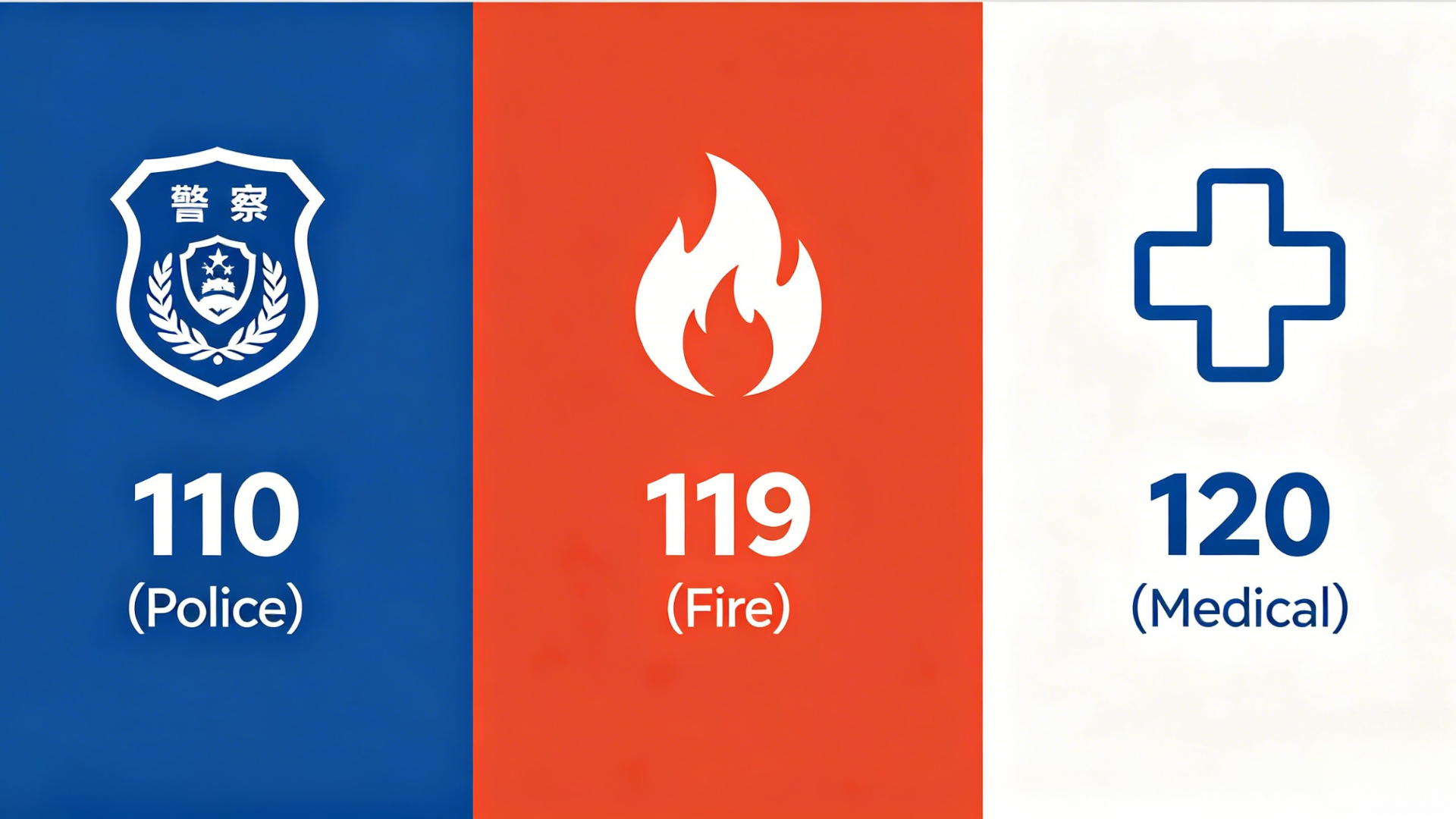
China has three main emergency numbers: 110 for police, 119 for fire, and 120 for medical emergencies. The 120 system is a unified national dispatch network designed to send an ambulance to the scene, provide professional first aid, and transport the patient to a hospital. While the system is highly efficient in major cities, the process differs from many Western countries in a few practical ways, especially regarding language support and payment.
Step 1: Making the Call to 120
When you dial 120, you will be connected to a regional dispatch center. The operator's main goal is to determine your exact location and the nature of the medical emergency so they can dispatch the nearest available crew. Language barriers. The 120 service is conducted primarily in Chinese. In major cities like Shanghai and Beijing, limited English support may be available, but this can cause slight delays. If you do not speak Chinese, handing the phone to a local bystander or hotel staff member is often the fastest way to get help. Location is critical. Be prepared to give a precise address, including the district, street name, building number, and any nearby landmarks. Do not hang up. Stay on the line until the operator tells you they have enough information to send the ambulance.
Step 2: When the Ambulance Arrives
Ambulance crews in China typically include a driver, a stretcher-bearer, and a physician or trained medical professional capable of providing pre-hospital care. Their priority is to stabilize the patient and initiate transport. Hospital selection. In critical, life-threatening situations, the crew will transport the patient to the nearest suitable hospital. For non-critical cases, you may be able to request transport to a specific international hospital or a facility where you are already registered, but the final decision often rests with the dispatch protocol and the patient's condition. Prepare your documents. If possible, grab your passport, any medical insurance cards, and your phone before getting into the ambulance. Expect a fee-for-service model. Unlike in some countries where emergency transport is entirely tax-funded, Chinese ambulance centers typically operate on a fee-for-service basis. You are usually required to pay for the ride out of pocket.
Step 3: Paying for the Ambulance and ER
The cost of an ambulance ride in China is generally quite affordable compared to Western systems, but payment is usually expected upfront or immediately upon arrival at the hospital. Ambulance fees. The total cost depends on a base fee, the distance traveled, and the type of care provided. In cities like Shanghai, a standard ride typically costs between 100 and 300 RMB. Payment methods. Ambulance crews often accept WeChat Pay, Alipay, and sometimes cash. Having mobile payment set up on your phone is highly recommended. Hospital emergency room costs. Once you arrive, you will need to register and pay hospital fees separately from the ambulance fee. Keep all receipts if you plan to file a claim later.
Summary
Calling 120 is the most direct way to get professional medical help during an emergency in China. By understanding the language constraints, the fee-for-service structure, and the destination protocols, international visitors can navigate a stressful situation with much more confidence.
This article is for informational purposes only and does not constitute medical advice, diagnosis, treatment guidance, emergency triage, referral, or appointment booking. Verify current hospital procedures directly with hospitals and consult qualified healthcare professionals for medical decisions.