Patient Guides / How to See a Doctor
Navigating Pediatric Care in China: A Guide for International Parents
Summary: Navigating healthcare with a sick child can be stressful for any parent. For international families in China, language barriers, unfamiliar medical practices, and different vaccination schedules can make the experience feel even more daunting. The good news is that top-tier pediatric care is widely available if you know where to look.
Author: China Medical Info Published or updated: May 2026 Read time: 7 min read
Editorial And Source Review
Editorial review: China Medical Info Editorial Team. Last content check: July 3, 2026. Educational scope, clarity, verification pathways, and safety disclaimers. Not clinical review, diagnosis, treatment guidance, legal advice, visa advice, or insurance advice.
Official Source Paths
Use these official sources to verify current rules, policies, services, or payment requirements before acting on this educational guide.
- National Health Commission - Official English-language public health, hospital, health policy, and service information.
- State Council health and policy resources - Official English-language public-service and policy resources for healthcare and living in China.
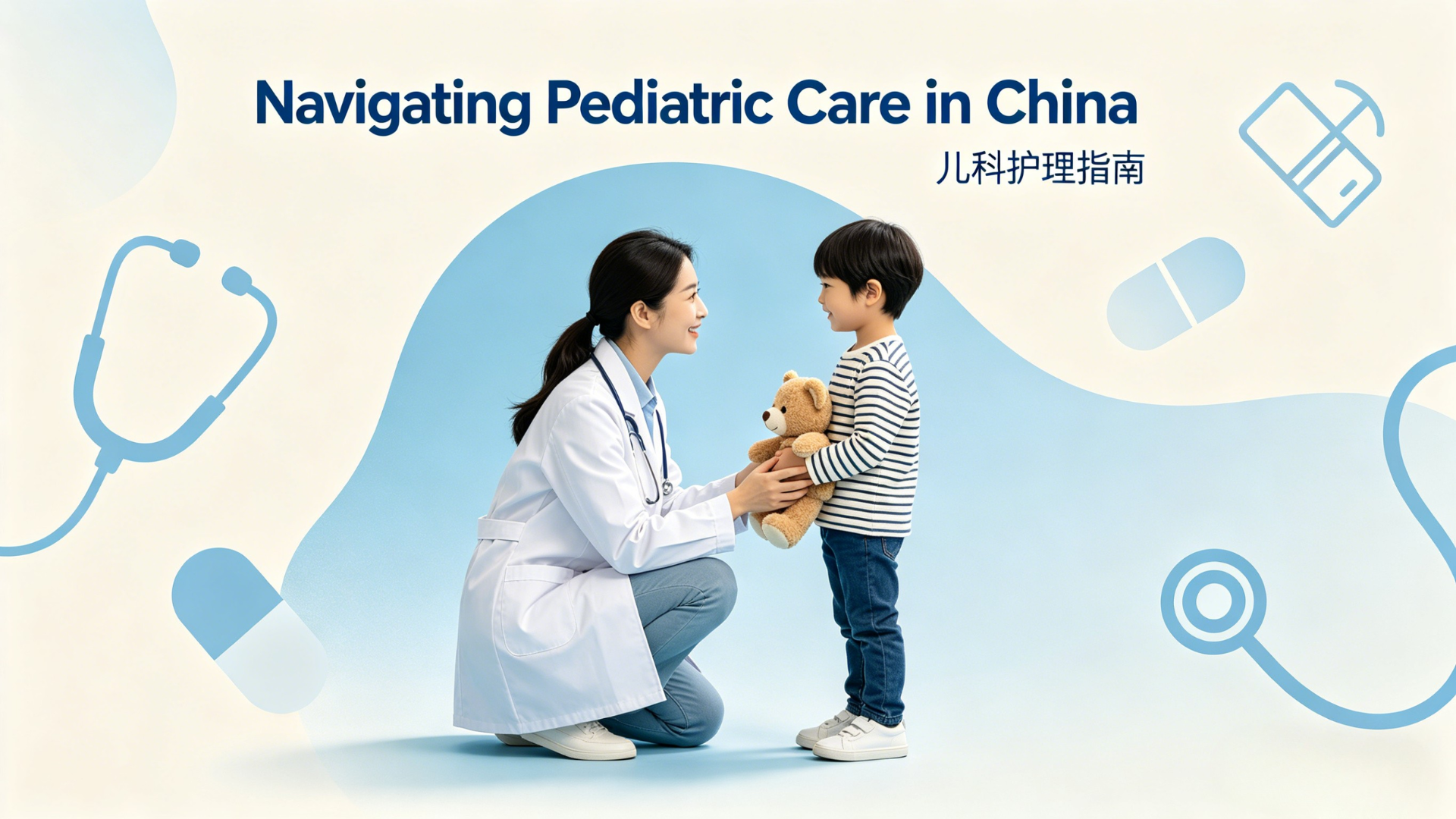
China offers diverse options for young patients, ranging from specialized public pediatric hospitals to high-end international private clinics. In major cities, many leading public facilities have established dedicated international departments or multilingual volunteer networks to cater to families from around the world. Understanding the differences between these options helps parents make confident decisions when their child needs care.
Where to Find Trusted Pediatric Care
Parents generally choose between public pediatric hospitals and private international clinics, depending on their insurance coverage, the severity of the illness, and language needs. - Public pediatric hospitals — Top-tier facilities such as Shanghai Children's Medical Center or Shanghai Children's Hospital offer world-class medical expertise, especially for complex or chronic conditions. Many have established international departments or VIP clinics with English language support - Private international hospitals — Institutions like Shanghai United Family Hospital, Amcare, or Parkway are very popular among expats. They offer comprehensive services from newborn care to adolescent health, in a less crowded environment with doctors often trained overseas and fully fluent in English - Check the after-hours policy — Children often develop fevers or illnesses outside of normal business hours. Always confirm after-hours care plans or emergency room availability when choosing a primary pediatrician or clinic Private facilities usually have direct-billing agreements with major international health insurance providers, which simplifies the payment process significantly.
Managing Vaccinations and Immunization
Vaccinations are a primary concern for international parents, especially when relocating with infants or young children. - The local schedule applies to expats — If your family plans to reside in China for more than six months, children under the age of six are generally required to adhere to the same immunization schedule as local children. This is often necessary for enrollment in schools and kindergartens - Bring your records — When visiting a clinic for the first time, bring your child's existing vaccination records from their home country along with their passport. Doctors will use this to align the child's history with the Chinese schedule - Public vs. private vaccination — Both public health centers and approved international clinics can administer vaccines. Private clinics often offer imported vaccine options and provide detailed explanations of the schedule in English, which can ease parental anxiety Pediatricians at international clinics often provide comprehensive guidance on daily care, feeding practices, and developmental milestones alongside routine immunizations.
Preparing for Your Child's Hospital Visit
Taking a child to a hospital in a new country requires practical preparation, even if you are visiting a premium international clinic. - Prepare documents in advance — Always carry your child's passport, your own ID, and your physical or digital health insurance card - Translation tools can help — While international clinics offer English support, taking a translation app to a public hospital is highly recommended for reading signs, registering, or understanding pharmacy instructions - Understand the pharmacy process — In China, hospitals and clinics typically have their own in-house pharmacies. After seeing the pediatrician, you will usually pay for the consultation and medications together, then pick up the prescribed drugs before leaving the building By choosing the right facility and understanding the basic administrative steps, parents can focus entirely on their child's health and recovery rather than the logistics.
Summary
Navigating pediatric care in China becomes much easier once parents understand their choices. By registering with a trusted clinic early, keeping vaccination records updated, and preparing the right documents, international families can ensure their children receive excellent, continuous care throughout their stay.
This article is for informational purposes only and does not constitute medical advice, diagnosis, treatment guidance, emergency triage, referral, or appointment booking. Verify current hospital procedures directly with hospitals and consult qualified healthcare professionals for medical decisions.