Patient Guides / How to See a Doctor
How to Buy Over-the-Counter Medicine for Common Colds in China
Summary: Feeling sick in China and not sure where to buy cold medicine? For many foreigners, navigating Chinese pharmacies can feel confusing at first — especially with language barriers, unfamiliar brands, and different medication systems. Fortunately, buying over-the-counter medicine for common colds in China is generally simple once you understand how pharmacies work.
Author: China Medical Info Published or updated: 2026 Read time: 6 min read
Editorial And Source Review
Editorial review: China Medical Info Editorial Team. Last content check: July 3, 2026. Educational scope, clarity, verification pathways, and safety disclaimers. Not clinical review, diagnosis, treatment guidance, legal advice, visa advice, or insurance advice.
Official Source Paths
Use these official sources to verify current rules, policies, services, or payment requirements before acting on this educational guide.
- National Health Commission - Official English-language public health, hospital, health policy, and service information.
- State Council health and policy resources - Official English-language public-service and policy resources for healthcare and living in China.
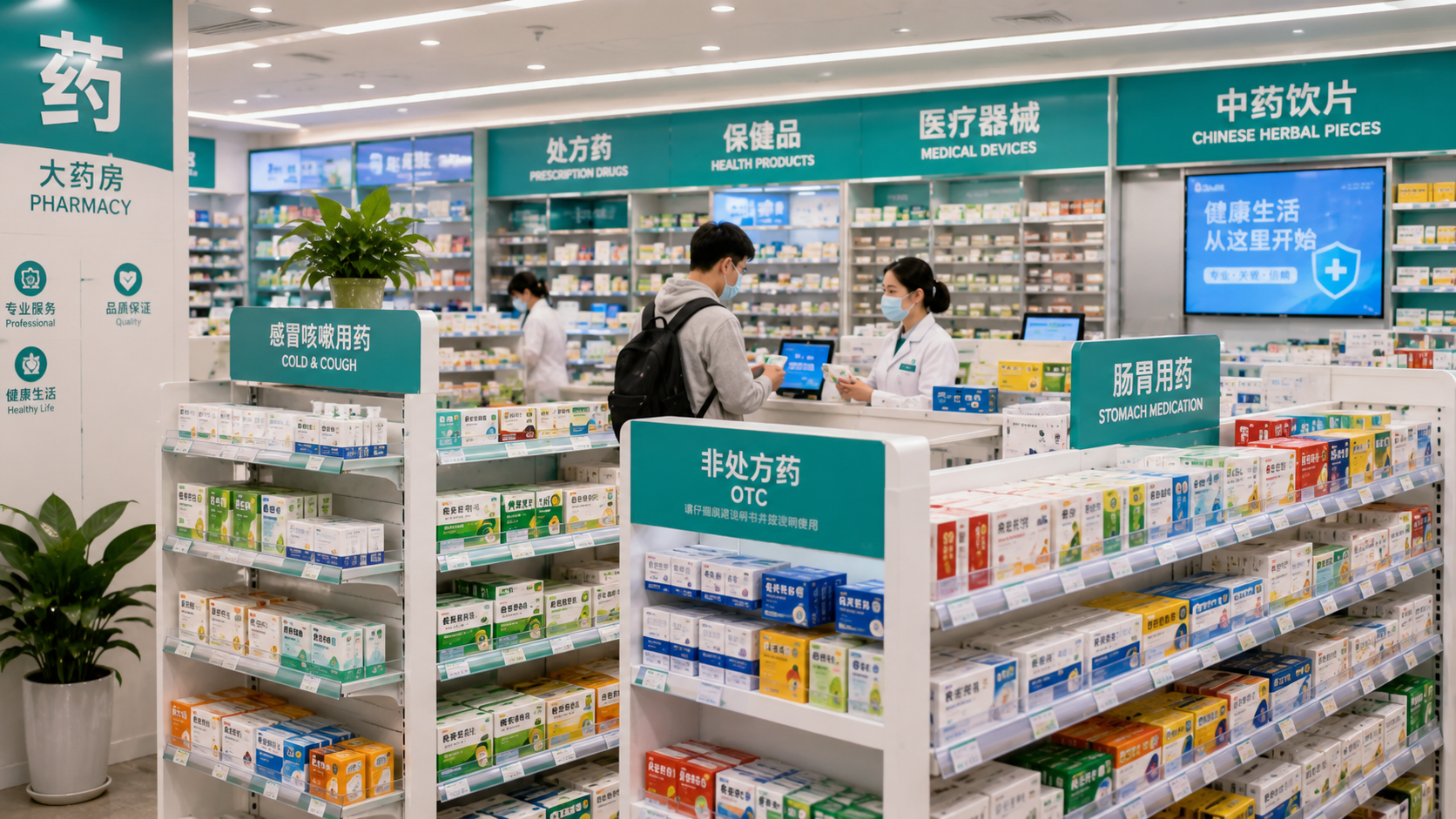
China has a large pharmacy network, with pharmacies available in nearly every city and neighbourhood. Many common cold symptoms — such as fever, cough, sore throat, congestion, and headaches — can be treated using over-the-counter medication without visiting a hospital. However, medicine names, packaging, and treatment approaches may differ from what foreigners are used to in their home countries.
Where to Buy Cold Medicine in China
Most over-the-counter medicine can be purchased at: Local Pharmacies - Found throughout cities and residential areas - Often the fastest and easiest option - Staff may provide basic medication recommendations Large chain pharmacies are more likely to have English-speaking staff or translation support. Hospital Pharmacies - Located inside hospitals - Often used for prescription medications - May provide stronger or more specialized treatment options Useful if symptoms become more serious. Online Delivery Apps Many cities allow medicine delivery through apps such as Meituan and Ele.me. Delivery can be extremely convenient for sick patients staying at home.
Common Types of Cold Medicine in China
Chinese pharmacies typically offer medication for: Fever and Pain Relief - Acetaminophen-based medicine - Ibuprofen products Cough and Sore Throat - Cough syrups - Herbal throat remedies - Lozenges Congestion and Runny Nose - Decongestants - Antihistamines - Combination cold medicine Traditional Chinese Medicine (TCM) Cold Remedies Some pharmacies also recommend: - Herbal granules - Traditional cold teas - TCM-based capsules TCM remedies are commonly used in China for mild cold symptoms.
Practical Tips for Foreigners
- Use translation apps — showing translated symptoms can help pharmacists recommend the correct medication - Bring medication photos — photos of medication from your home country may help pharmacy staff identify similar products - Check dosage carefully — medication instructions may only appear in Chinese on some packaging; use translation tools or ask pharmacy staff for clarification Seek medical attention immediately if you experience: - Difficulty breathing - High fever lasting multiple days - Chest pain - Severe dehydration Hospitals and international clinics are recommended for serious symptoms. Common Mistakes to Avoid: - Buying medication without checking ingredients - Mixing multiple cold medications unnecessarily - Ignoring dosage instructions - Waiting too long before seeking medical care
Summary
Buying over-the-counter medicine for common colds in China is usually quick and convenient once you understand the local pharmacy system. With translation tools, basic preparation, and awareness of common medication types, most foreigners can easily manage mild cold symptoms while traveling or living in China. For more serious conditions, hospitals and international clinics remain widely available in major cities.
This article is for informational purposes only and does not constitute medical advice, diagnosis, treatment guidance, emergency triage, referral, or appointment booking. Verify current hospital procedures directly with hospitals and consult qualified healthcare professionals for medical decisions.