Patient Guides / Language and Support
The Role of a "Peizhen" (Medical Escort): Should You Hire One in China?
Summary: Picture this: you're somewhere in China. You wake up with a pain you can't ignore. You find the nearest public hospital, push through the doors, and instantly freeze. The registration desk is in Mandarin. The queue number system is unlike anything you've seen. The waiting room has 300 people and no one speaks English. This is the reality for thousands of foreigners navigating Chinese hospitals every year.
Author: Allen Published or updated: May 2025 Read time: 9 min read
Editorial And Source Review
Editorial review: China Medical Info Editorial Team. Last content check: July 3, 2026. Educational scope, clarity, verification pathways, and safety disclaimers. Not clinical review, diagnosis, treatment guidance, legal advice, visa advice, or insurance advice.
Official Source Paths
Use these official sources to verify current rules, policies, services, or payment requirements before acting on this educational guide.
- National Health Commission - Official English-language health service and public health information.
- National Immigration Administration - Official entry, stay, and immigration-service information for visitors and foreign residents.
- State Council services and policy resources - Official English-language public-service resources for living, visiting, and emergency preparation in China.
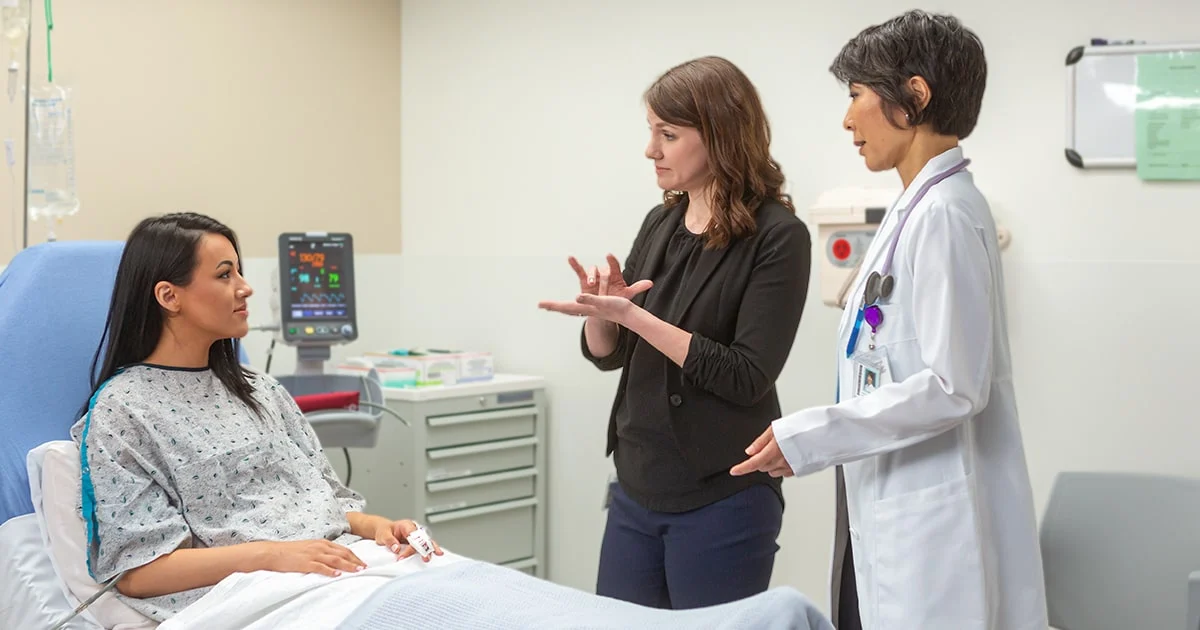
China's medical system is genuinely impressive in many ways. Highly trained doctors, cutting-edge equipment, and remarkably affordable care are all real. But the sheer scale and administrative complexity can be daunting, even for locals who grew up here. That's exactly why a cottage industry of "peizhen" (陪诊, péi zhěn) has grown rapidly in recent years. The word translates roughly as "professional medical escort," and for foreign visitors and expats, these guides can be an invaluable lifeline.
What Is a Peizhen (陪诊)?
The word peizhen literally means "accompany (to) see a doctor." In practice, a peizhen is a trained professional — often a former nurse or medical administrator — who walks with you through the entire hospital process from start to finish. They are not doctors and they do not give medical advice. Think of them as a knowledgeable, bilingual local friend who happens to know exactly how the hospital system works. For foreign patients, a peizhen typically covers: pre-visit appointment booking and department selection; accompaniment from hospital entrance through registration, triage, consultation, and payment; real-time interpretation between you and your doctor; guidance on collecting test results, filling prescriptions, and understanding next steps; and navigation of follow-up visits or specialist referrals if needed.
The Real Value: What a Peizhen Actually Saves You
On the surface, the value of a peizhen seems obvious: language help. But the actual benefit goes much deeper than translation. China's large public hospitals are built around a self-navigation model. Patients are expected to already know which department to visit, how to register in advance through an app, which floor to report to, and how to read the queue display boards. Without local knowledge, a routine outpatient visit can easily swallow two hours of wrong turns and missed windows. A peizhen cuts through all of that. Beyond logistics, there is a subtler cultural dimension. Chinese doctors at busy public hospitals are under enormous time pressure — seeing 50 to 80 patients a day is not unusual, and consultations can last as little as five minutes. A peizhen who understands this context knows how to help you communicate your symptoms clearly, which follow-up questions are worth asking, and how to make the most of limited time with the doctor. Hire a peizhen when: you don't speak Mandarin or Cantonese, you're navigating a large public hospital for the first time, your condition is serious or complex, you have no local friends or colleagues to help, or you feel overwhelmed by unfamiliar medical systems. Skip it if: you are fluent in Chinese, you are going to a well-staffed international clinic, it is a simple routine check-up, or a trusted bilingual friend can accompany you.
How to Find and Hire a Peizhen in China
Finding a reputable peizhen has become easier as the industry has matured, but quality varies considerably. Taobao / Alibaba: Search "陪诊服务" (peizhen fuwu) on Taobao. Many individual providers list their services here with verified reviews. Filter by your city and check star ratings carefully. WeChat Mini Programs: Apps such as Dingzhen (丁珍) and some hospital official apps now integrate peizhen booking. Search "陪诊" in WeChat's mini program search bar. Expat Community Groups: Facebook groups, WeChat groups, and expat forums often have trusted individual recommendations for English-speaking peizhen. Hospital International Departments: Several large public hospitals in Beijing, Guangzhou, Chengdu, and other major cities have official international patient departments that provide escort-style coordination. Employer or School Referrals: HR departments at large multinationals or international schools often keep a list of vetted bilingual medical helpers. When vetting a candidate, ask upfront: Do you have a background in healthcare or medical administration? Have you assisted foreign patients before, and in which languages? What is included in your fee, and are there additional charges for translation time? Are you able to accompany me for follow-up visits if needed?
Summary
Not every hospital visit in China requires a peizhen. If you're going to an international clinic, have a fluent Chinese-speaking friend with you, or just need a simple follow-up appointment, you can probably manage on your own. But if this is your first time in a large public hospital, if the condition is serious, or if you simply want someone in your corner in a high-stakes moment, hiring a peizhen is one of the smartest decisions you can make.
This article is for informational purposes only and does not constitute medical, legal, emergency, translation-certification, or safety advice. Verify emergency procedures, translation requirements, app availability, and hospital support options with relevant official sources and qualified professionals.